The Presumption of Innocence: What Your Relationship Owes Your Partner Before the Evidence Comes In

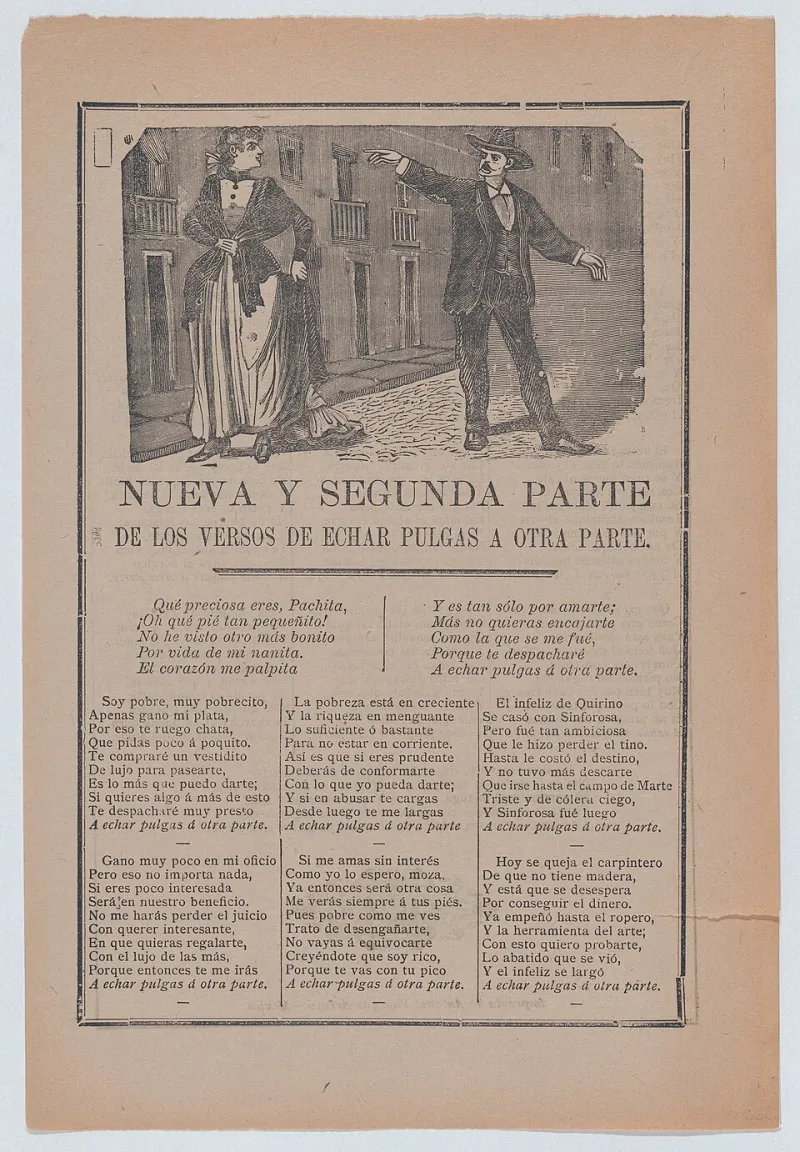
Photo: Lambert Doomer, Public domain, via Wikimedia Commons
Every legal system worth its gavel operates on one foundational principle: you're innocent until proven guilty. Somewhere along the way, modern romance decided to reverse that presumption. In relationships today, many of us run a quiet, standing assumption that our partner is guilty of something — we just haven't caught them yet.
'I'll believe it when I see it' sounds like wisdom. In practice, it's a verdict handed down before the trial even starts.
The Audit You Didn't Know You Were Running
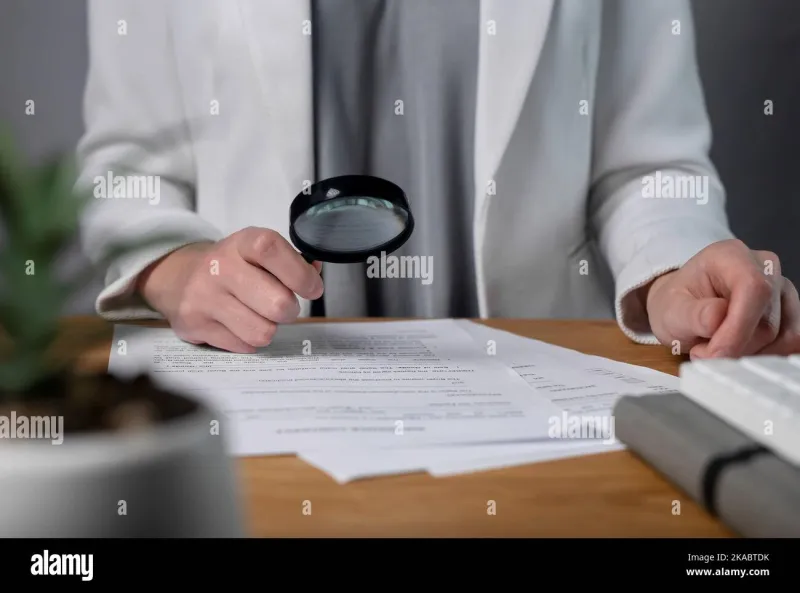
Ask yourself what a typical Tuesday looks like in your relationship. Do you glance at their phone when it lights up on the nightstand? Notice they were 'active now' on Instagram at 11 p.m. and file it away? Cross-reference their story about lunch with the location tag on a coworker's post?
Congratulations — you've opened an investigation. And here's the uncomfortable part: investigations don't require actual wrongdoing to cause damage. The mere existence of surveillance changes the dynamic. Your partner starts performing innocence instead of living freely. Texts get pre-explained. Errands come with itemized receipts, literal and figurative.
Psychologists call this 'prooftesting,' and it does the opposite of what it promises. The more you check, the more anxious you become — because no amount of evidence ever feels like enough. There's always another app, another ambiguity, another 20-minute gap in the timeline. Trust built on verification is a bucket with a hole in the bottom.
Where This Show Got Its Start
To be fair, most of us weren't born suspicious. We were trained. A partner who cheated. A parent whose marriage imploded. A situationship from 2019 that turned out to be a group project between three people.
And the tech made it so easy. Location sharing was sold to us as a convenience — 'so I know when to start the pasta' — but it quietly became a leash. Social media turned every lunch date into potential evidence. We've all done a little forensic scrolling. The tools are neutral; the habit isn't.
Here's the law of love most people learn too late: you cannot audit your way into intimacy. Closeness requires someone to be knowable, and knowable means unguarded. A partner under permanent review gives you their compliance, not their heart.
What Healthy Trust Actually Looks Like
Healthy trust isn't naive. It's not 'I'll never have a worry.' It's this: the presumption of good faith. When something ambiguous happens — a slow text reply, a deleted photo, a weekend you weren't looped in on — your default question is 'Hey, what's going on?' rather than 'What are you hiding?'
That distinction sounds small. It's enormous. One opens a conversation; the other opens a case file.
Practical markers of the presumption of innocence in action:
- You ask before you assume. Curiosity replaces interrogation.
- You let people explain before you sentence them.
- You don't treat privacy as evidence. A partner having a password, a girls' trip, or an unshared thought is a person, not a suspect.
- You handle your own history. If a past betrayal is driving today's surveillance, that wound needs attention — ideally with a therapist, not with their phone.
Notice that none of this requires you to be a doormat. Presuming innocence doesn't mean ignoring patterns. It means requiring patterns before you change the presumption.
When Skepticism Is Warranted
Because let's be honest — sometimes the evidence is real, and refusing to look at it isn't trust, it's denial.
Skepticism earns its keep when it's based on behavior, not imagination. A partner who's grown cold, secretive in behavioral ways (not just digital ones), whose stories don't hold, who has a documented history — that's not you being paranoid. That's pattern recognition, and honoring it is an act of self-respect.
The test is simple: Is your suspicion calibrated to what's actually happening, or to what happened to you before? Calibrated skepticism leads to one honest conversation. Uncalibrated suspicion leads to a spreadsheet of their Instagram activity and a relationship that feels like probation.
The Verdict Worth Rendering
Here's the paradox at the heart of it: extending trust first — before the proof, before the track record is airtight — is what makes a relationship worth trusting. People tend to rise or sink to the level of expectation. Treat someone like a defendant long enough and don't be surprised when they start acting like one, or when they simply leave the courtroom.
Trust is a loan you make against someone's character. Most of the time, the people we love pay it back. And when they don't? That's not a failure of your vigilance. That's information — the kind no amount of phone-checking could've given you sooner.
Give them the presumption. It's the only setting under which love can actually breathe.