The Eye-Roll Heard Round the Kitchen: How Contempt Sneaks Into a Marriage
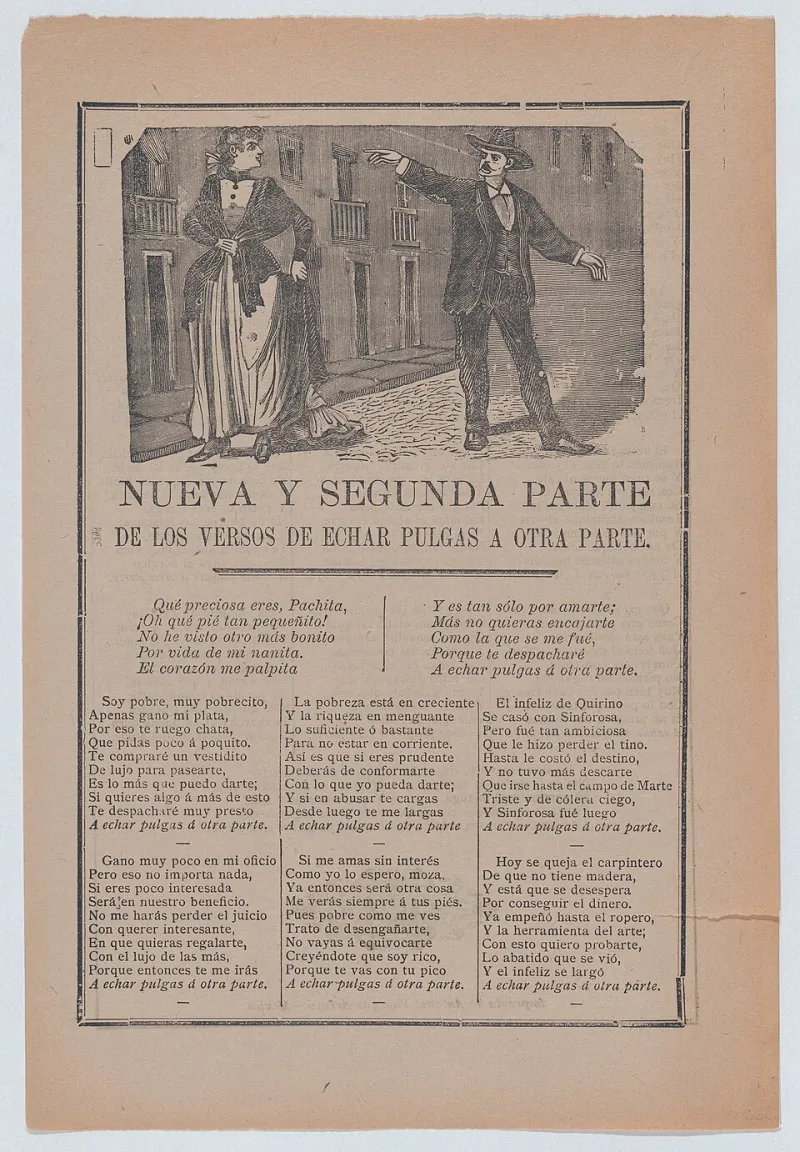
Photo: Antonio Vanegas Arroyo / José Guadalupe Posada, CC0, via Wikimedia Commons
There's a moment that plays out in kitchens and living rooms across America every single night. One partner is explaining why the dishwasher was loaded wrong — again — and the other one doesn't argue back. They don't defend themselves. They just... roll their eyes. A small flick of the eyes toward the ceiling, a little exhale through the nose, maybe a smirk that says here we go again.
It looks like nothing. It feels like nothing to the person doing it. But according to decades of relationship research, that eye-roll might be the most expensive gesture in your entire marriage.
The Research That Ruined a Perfectly Good Eye-Roll
Psychologist John Gottman spent years studying thousands of couples at his lab at the University of Washington, watching them fight in real time and tracking them over the years that followed. His findings became famous for one reason: he could predict divorce with over 90% accuracy based on how couples argued.
Not what they argued about. How.
He identified four behaviors so corrosive he named them the Four Horsemen: criticism, defensiveness, stonewalling, and — the worst of the bunch — contempt. Contempt wasn't just a predictor of breakup. It was the predictor, the single strongest signal that a relationship was headed for the exits. It even showed up as a health risk: couples steeped in contempt had weaker immune systems and got sick more often than couples who fought fair.
Why is contempt so lethal? Because unlike the other Horsemen, contempt isn't an attack on a behavior. It's an attack on a person. Criticism says "you did something wrong." Contempt says "you are something wrong. You are beneath me."
What Contempt Actually Looks Like (It's Not What You Think)
When most people picture contempt, they imagine screaming insults or dramatic disgust. Real contempt is usually quieter than that, which is exactly why it goes undetected so long. Some of its everyday disguises:
- The eye-roll or heavy sigh while your partner is mid-sentence. The universal sign for "your feelings are not worth my time."
- Mockery. Repeating what they said back in a stupid voice, or imitating them to get a laugh — especially with an audience. If you've ever done a bit about your spouse at a dinner party and gotten a laugh that made your stomach hurt a little, you know.
- **The hostile joke." Contempt loves to hide inside humor. "Oh, him doing laundry? That'll be the day." Ha ha. Ouch.
- Tone. The flat, condescending voice that treats your partner like a slow intern. Content can be perfectly reasonable while the delivery drips disdain.
- Correcting small things in front of others. Not because the facts matter, but because it puts them in their place.
- Baiting. Poking at a known sore spot mid-argument because you know it'll land.
Notice the common thread: every one of these communicates superiority. You're the reasonable one. They're the punchline.
How It Gets In
Nobody marries someone planning to sneer at them over the sink. Contempt doesn't arrive as contempt. It arrives as accumulated resentment that never got a hearing.
Here's the typical progression: your partner does something that bothers you. You mention it once, maybe twice, it doesn't change, so you stop bringing it up. But you don't stop noticing. Each unspoken grievance gets filed away, and over months the file gets thick. Eventually you're not annoyed by a behavior anymore — you've built a whole character assessment. "He's lazy." "She's controlling." And once you've downgraded your partner from a full person to a list of flaws, contempt is just the sound that verdict makes.
This is why contempt is so dangerous: it's downstream of something else. The eye-roll is a symptom. The untreated resentment is the disease.
The Rehabilitation Plan
The good news — and this is genuinely good news — is that contempt is a habit, not a life sentence. Gottman's research found that couples who actively build the antidote can turn things around. Here's what that looks like in practice.
1. Catch the micro-expressions. You can't fix what you don't notice. For one week, just observe yourself during disagreements. Are you sighing? Smirking? Talking through your partner like they're a child? Awareness alone interrupts the pattern.
2. Rebuild the appreciation muscle. The direct antidote to contempt is admiration — actively noticing what's right instead of cataloging what's wrong. Try this: every night for two weeks, name one specific thing your partner did that you respected or appreciated. Out loud. "Thanks for handling the car insurance call, I hate that stuff." Small, specific, daily. It sounds corny because it is, and it works anyway.
3. Retell your partner's story. Contempt lives in the narrative you've built. If your inner monologue has reduced your spouse to "stubborn" or "needy," challenge it. Remember how they showed up for you during a hard season. Remember what made you choose them. You're not rewriting history — you're reopening a case you closed prematurely.
4. Complain without contempt. You're allowed to be annoyed. You're allowed to say "it drives me crazy when the dishes pile up." What you're not allowed to do is turn a complaint about a dish into a referendum on a human being. Criticism aimed at behavior can be heard. Contempt aimed at character can't.
5. Repair fast. Every couple snipes sometimes. The difference between thriving and failing couples isn't the absence of contempt — it's how quickly they repair. A genuine "that was a cheap shot, I'm sorry" within minutes can keep a moment of contempt from becoming a pattern.
Before the Sentence Is Final
If you've recognized yourself in this article — either as the one rolling eyes or the one being rolled at — don't panic. Recognition is the hardest part, and you've already done it.
But don't sit on it, either. Contempt compounds. Every month it goes unaddressed, the story you tell yourself about your partner hardens a little more, until one day you're not married to a person anymore. You're married to a caricature you built out of grievances, and caricatures are easy to leave.
The eye-roll in the kitchen feels small. That's precisely the point. The things that end relationships rarely announce themselves with a slam of the door. They sneak in through small, dismissive moments that nobody objects to — until the objection would come too late.
Catch it early. It's the one habit worth breaking before it breaks something you care about.