Five Courtship Rituals We Repealed Too Soon
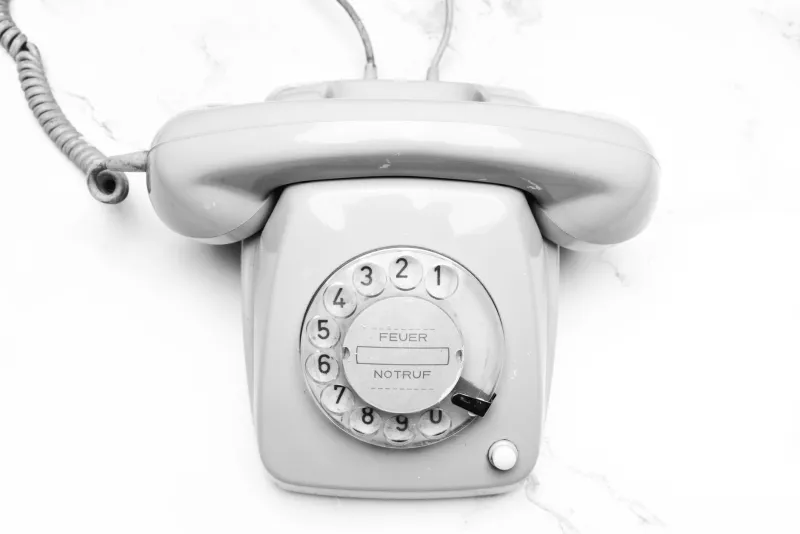
Somewhere between the dial-up modem and the disappearing message, we quietly repealed a whole body of courtship law. Not with a vote — nobody got to weigh in. The rituals just faded, replaced by something faster, easier, and, if we're honest, lonelier.
This isn't pure nostalgia talking. Some of what we lost was friction for friction's sake. But some of it — the parts that made people slow down, show up, and say things out loud — did real work. Consider this a bill of reinstatement. Five amendments, argued and adopted.
Amendment I: The Phone Call
Before texting, you called. You had to. And that meant hearing someone's voice — the nervous laugh, the pause before they answered, the way they said your name.
Research on vocal communication backs up what our teenage selves knew instinctively: hearing a voice conveys far more emotional information than text ever can. Studies out of the University of Chicago found that voice-based communication created measurably stronger bonds between strangers than typed messages, largely because tone carries warmth that words on a screen flatten out.
How to revive it: Call instead of texting to make plans. Not always — but for the ask, the good news, the hard conversation. If a phone call from someone you're dating feels alarming, that's worth examining.
Amendment II: The Front-Porch Goodnight
There was a specific kind of ending in the '90s: standing on a porch or a sidewalk outside an apartment, neither of you wanting to leave first. The goodnight was unhurried. It was its own event.
What it really was, in modern terms, was a buffer. No algorithm nudging you into the next swipe, no ride-share waiting. Just two people transitioning from the date back to their lives, with a moment to let the evening land.
How to revive it: End dates at the door, not the curb. Linger the extra two minutes. Say what the evening meant instead of letting the "u up?" economy compress courtship into a transaction.
Amendment III: The Waiting-for-a-Letter
Email existed in the '90s, but love letters persisted anyway — because a letter meant someone sat down, thought about you specifically, and committed pen to paper. The three-day wait wasn't a bug. Anticipation is a feature of desire, not an obstacle to it.
Psychologists who study long-distance and deployed couples have long noted that written correspondence deepens attachment: the act of composing thoughts forces self-reflection, and re-reading a letter creates a keepsake no text thread can match.
How to revive it: You don't need a fountain pen. A card in the mail. A note left on the kitchen counter before a work trip. Something physical, something they can keep in a drawer.
Amendment IV: Making Plans a Week Ahead
In the '90s, "want to do something Friday?" was asked on Saturday, because that's when you'd next talk. Plans had lead time, and lead time signaled that someone was thinking about you when you weren't there.
Today's "wyd tonight" culture treats partners as on-demand entertainment. But relationship researchers consistently find that anticipation — looking forward to a shared event — boosts satisfaction as much as the event itself. A Tuesday text saying "Saturday, that Thai place you mentioned, 7pm" does more for a bond than a same-night "come over" ever will.
How to revive it: One planned-ahead date per week, minimum. Put it in the calendar. Treat it like it matters, because it does.
Amendment V: Being Unreachable, Together
Dinner in 1996 had no phones on the table — not because of discipline, but because the thing in your pocket couldn't interrupt you. Couples had no choice but to be fully present, and it turns out full presence is where intimacy lives.
Studies on "phubbing" — snubbing a partner for your phone — link it to lower relationship satisfaction and more conflict. The good news: the fix costs nothing.
How to revive it: Phones in the other room during dinner. A shared walk without devices. Twenty minutes of actual eye contact, which, per research on gaze and connection, is embarrassingly powerful.
The Repeal Wasn't All Bad
To be clear: we're not advocating a return to waiting by the landline or pretending women should sit home Saturday waiting to be asked. Plenty of the old rules deserved to die, and good riddance. What we're reinstating isn't the gender politics — it's the deliberateness.
Convenience is a great servant and a terrible foundation for love. The rituals above all share one thing: they required someone to spend time and attention they couldn't get back. That was always the point. The frills were just the packaging.
Amendments adopted. Court adjourned — go call somebody.